POTA DE-0046 - My Maiden Voyage
After keeping all morning an eye on the solar monitors today, Friday, April 3, ‘26, I finally decided it was time to stop planning and just go for it. This wasn’t just another casual afternoon in the field—this was my very first POTA activation ever. I headed out to DE-0046, Siebengebirge to see if I could finally turn my portable setup into a proper ‘On The Air’ success. 💪
Setup and Conditions
The Weather: Spring in Germany is always a gamble, but today offered a reasonable window for my debut. The air was crisp, and while the sun made occasional appearances, it mostly played hide-and-seek behind a persistent layer of clouds. However, the ground told a different story - the grass was still soaking wet, and my shoes were already completely drenched just from setting up the station. Still, for a first-time activation, the environment was perfectly inviting.
My Station:
- ICOM IC7300 running 75 watts.
- Vertical Whip Comrod APX Series.
- VARTA 12V 61Ah battery.
- HST III Single lever.
- SIMPLE ham logger by SP5NZF.
Propagation: Unfortunately, the ionosphere didn’t get the memo that today was my debut. We were navigating another bout of unsettled geomagnetic conditions, with the K-index creeping up. The QSB was brutal - it wasn’t just signal fading, but sudden, deep nulls that completely blanked out entire parts. Between those “blackouts” and an uncomfortably high noise floor, it felt like the universe was setting the difficulty level to “Professional” for my very first outing. 🤯
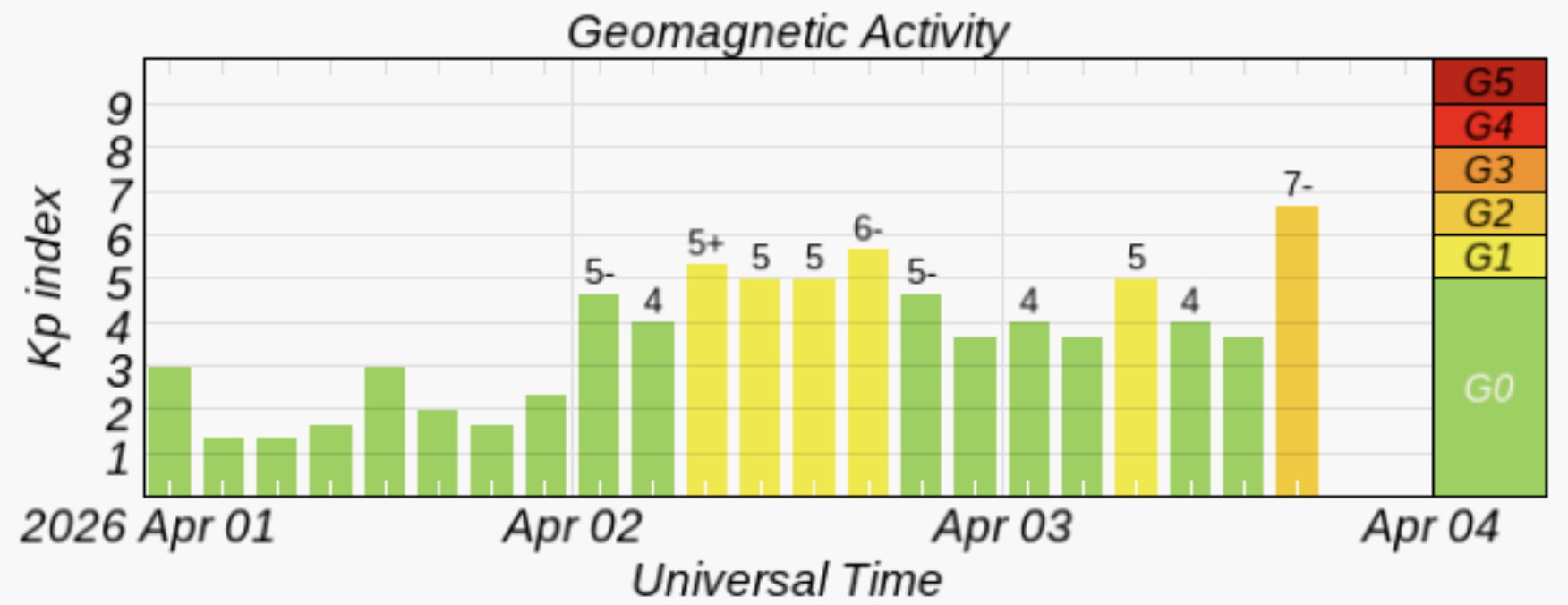
Above: The geomagnetic activity (again).
The Activation I found a suitable spot within the boundaries of DE-0046 and deployed the vertical whip. Being my first time, I felt a mix of excitement and “first-time jitters” while sending my first “CQ POTA” into the world.
The start was deceptively quiet. ☕️ With no immediate queue, my first contact actually turned into a standard QSO with several overs rather than a quick POTA exchange. It was a nice way to ease into the rhythm, but that calm didn’t last long. About 20 minutes into the runtime, the floodgates opened. 🥳
The subsequent pile-up was intense for a debut. Despite the atmospheric crashing, I managed to secure 24 QSOs within a a sixty-minute window - hearing the hunters stack up was an incredible rush - thanks for all contacts. 🎧
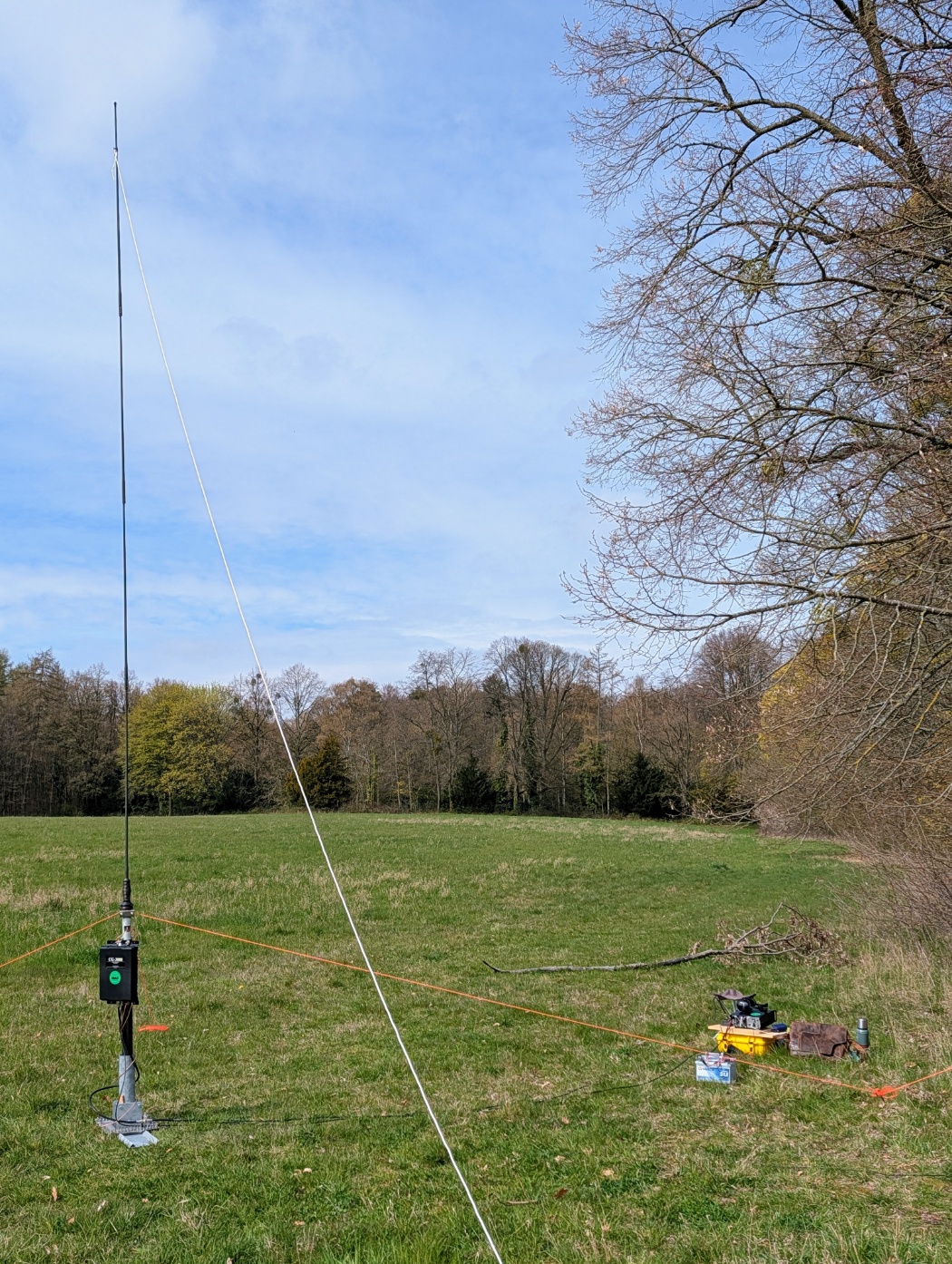
Above: The station at DE-0046.
Reflections Logging 24 contacts in an hour under these conditions felt like a victory. There is a rare, hard-won clarity that comes from pulling a clean log out of a collapsing band, finding the signal in the chaos when the K-index says you shouldn’t. 🧘
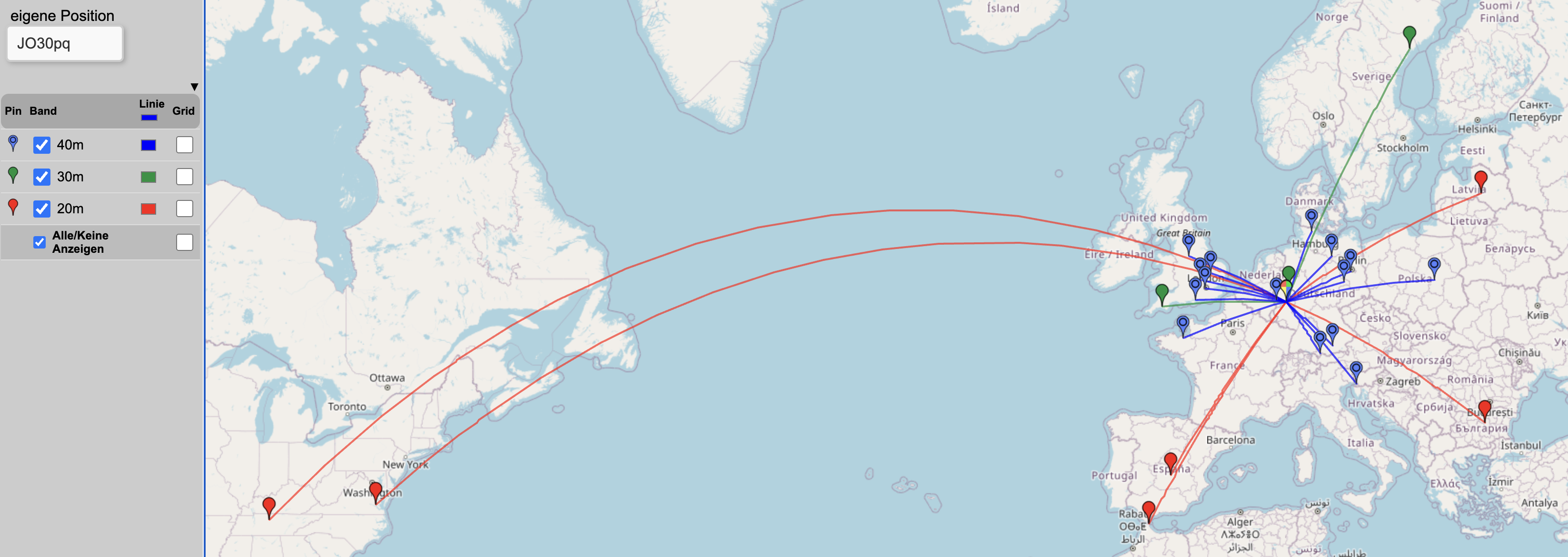
Above: 24 QSOs mapped across a turbulent ionosphere.
Lessons Learned
Since this was my first time “in the hot seat”, the learning curve was steep. Two things stood out:
-
The Intensity of the Pile-up: I completely underestimated how quickly the situation could shift from a leisurely chat to a full-blown swarm. Managing a sudden wall of CW while trying to maintain a clean log is a skill that only comes with practice - one I hope to master soon. It certainly highlighted the gap between “practicing CW” and “operating in the wild.”
-
The “Human” Factor: I was disappointed to encounter intentional QRM. I noticed “QRM-ers” specifically targeting and disturbing the frequency when a hunter of a certain nationality responded to my CQ. This deliberate interference made it impossible to copy the callsign correctly in the end. It was a frustrating realization, but it taught me the importance of maintaining focus even when external factors try to derail the exchange. 🧘
DE-0046 is officially in the books. Next time, I’ll be even better prepared for whatever the sun (or the bands) throws at me.