Portable Operations: ❄️ Winter Field Day 2026 ❄️
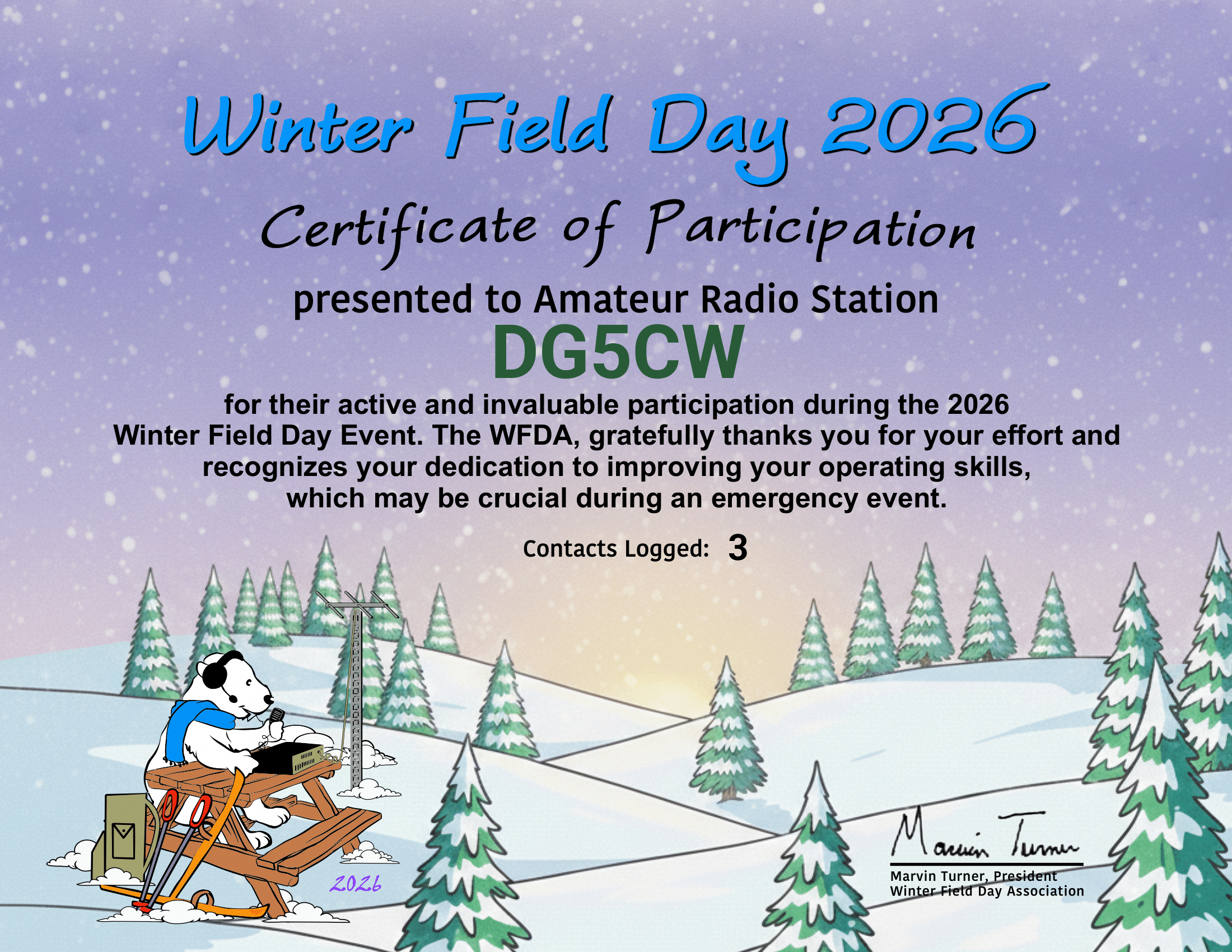
On the last full weekend of January ‘26, I took the opportunity to head out into the cold for the annual Winter Field Day (organized by the Winter Field Day Association (WFDA)).
Unlike the sunny and warm summer Field Day, this event is specifically designed to test our preparedness and operating skills when the elements are against us. The philosophy is simple: disasters don’t wait for fair weather. Operating portable in freezing temperatures brings a unique set of challenges to both the operator and the equipment, making it a fantastic stress test for any emergency communications setup.
Setup and Conditions
I decided to operate in the Mobile / Mobile Stationary category, to have the ability to be mobile, should it be necessary to move during the event.
Having only discovered the event a few days prior (and buried under long work hours since) I had almost no time to prepare. I simply grabbed my portable backpack (untouched and untested since my last outing late last summer), added 2 keys and a mic (!), charged the batteries and headed to an exposed field in the south of Bonn (JO30no).
The Weather: It was a tale of two extremes. Saturday morning kicked off with freezing conditions: temperatures around -1°C (30°F), accompanied by 15km/h winds and icy rain. The mix of darkness and biting cold made the antenna setup a real struggle; manipulating small screws and connectors with frozen fingers is an art form in itself! Fortunately, the weather gods smiled later in the day: by afternoon, the clouds parted for sunshine and 5°C (41°F), making that time significantly more fun. 😎 Sunday morning temperatures were back to -2°C (28°F). 🥶
My Station: My focus was naturally on CW but eventually I was happy that I also took a mic with me… So my portable shack consisted of:
- Yaesu TRX running 5…95 watts.
- 4 Verticals 3 deployed on the roof of the car, another one next to it.
- VARTA 12V 61Ah battery.
- HST III Single lever / Junker MT straight key.
- Pen & Paper Log.
Propagation: was fair, allowing me to work several other stations, but sadly I only managed to log three WFD contacts. 😢
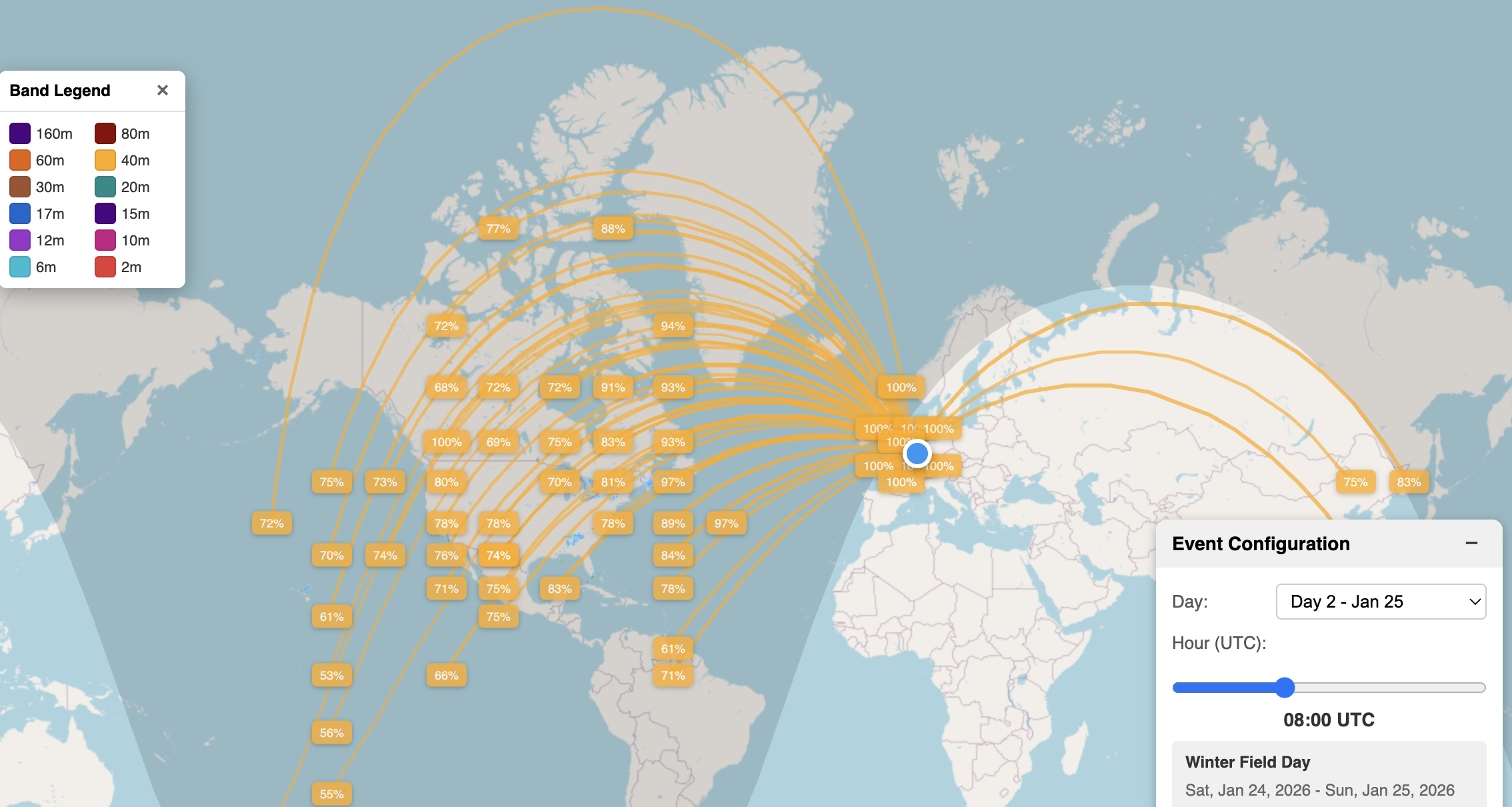
Above: The Propagation forecast for 40m.
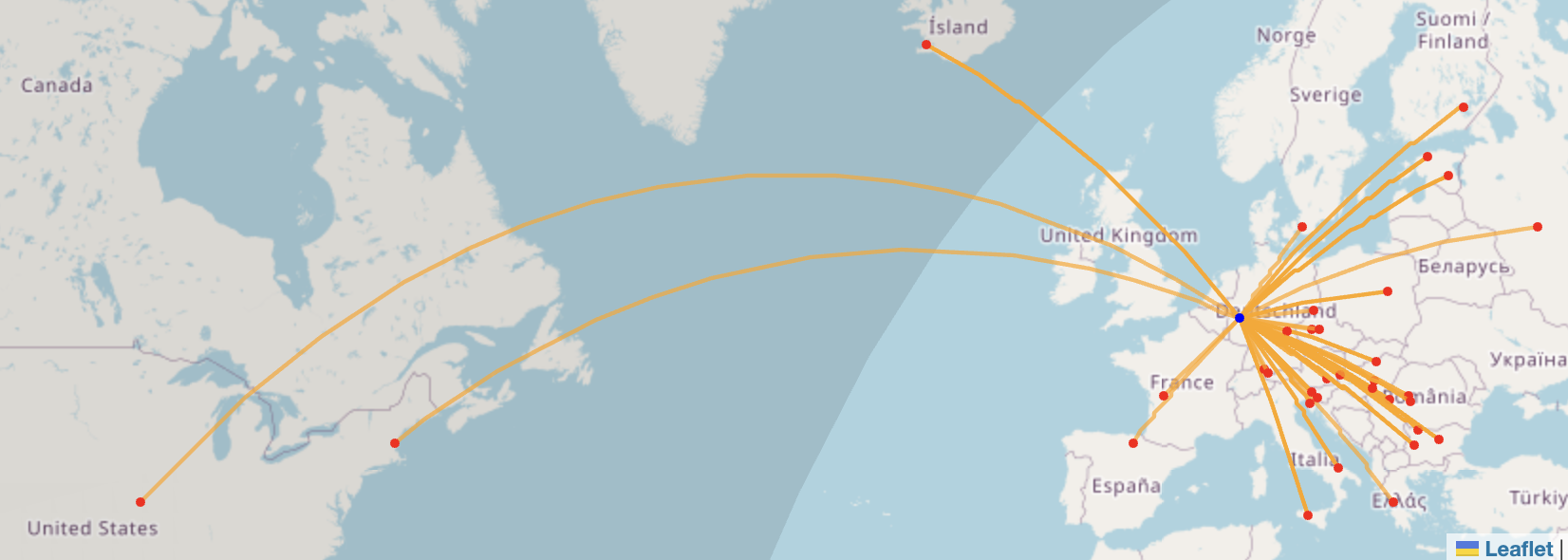
Above: My footprint according to RBN for 40m.
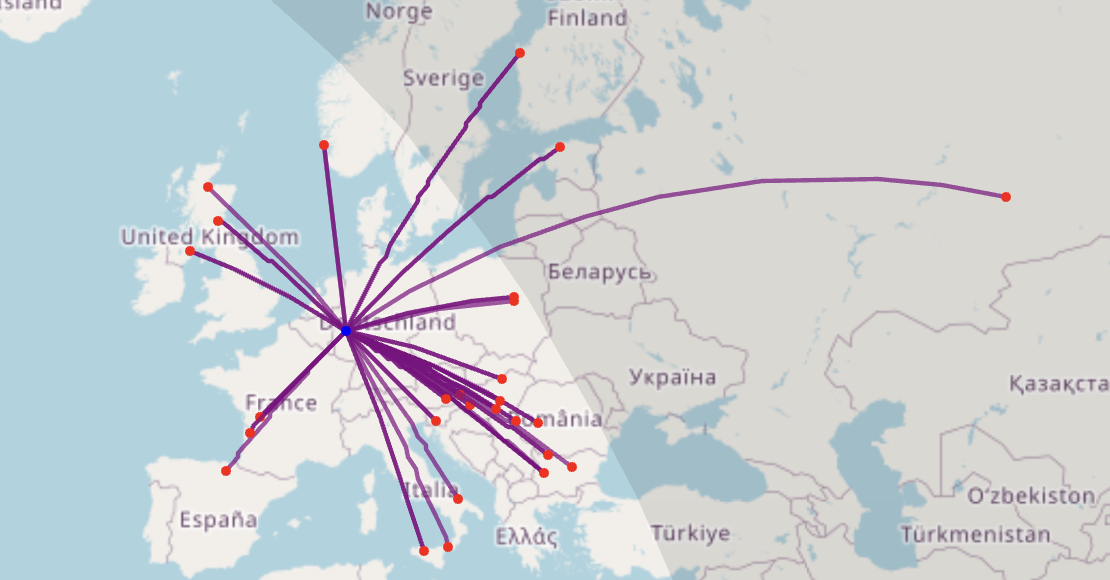
Above: My footprint according to RBN for 20m.
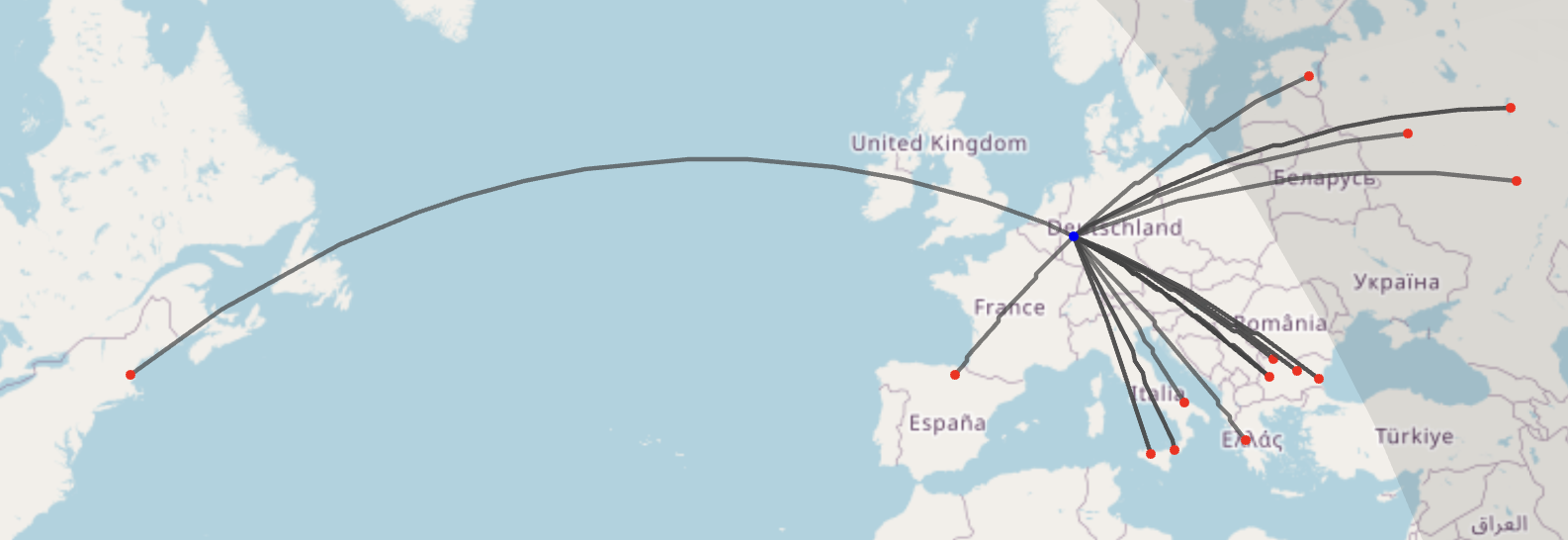
Above: My footprint according to RBN for 15m.
Lessons Learned
No field day is complete without a few hiccups. While the operation was generally successful, the “shakedown” nature of Winter Field Day revealed a few gaps in my preparation (and the laws of physics 🫣) that I plan to fix for upcoming portable operations:
- Illumination 🔦: I severely underestimated how pitch-black an open field is in the early morning hours. Relying on a standard handheld flashlight was a tactical error; it forced me to sacrifice one hand just to hold the light while trying to manipulate small connectors with the other. Next time, a headlamp is a mandatory equipment to ensure hands-free operation during setup. And carry spare hardware (screws & nuts) in case I drop a small part in the dark… did cost me 10min search this time.
- Ice Lock 🥶: Erecting the telescopic mast to its full extension during freezing rain proved to be a critical mistake. Over the course of the operation, the segments became coated in a layer of ice, effectively welding the joints shut. When it was time to tear down, I couldn’t slide the segments back in.
- Cable Stiffness ❄️: My standard coax stiffened up significantly (on top coated in a layer of ice as well), acting more like rigid pipe than cable. I need to source high-flex cable specifically for winter outings and I need to avoid unnecessarily long cables.
- Comfort 🥾: I underestimated the cold seeping up from the ground. Even with the car’s shelter, the cold finds a way. I definitely need to add insulated boots to the kit checklist.
- Public Relations 📜: A curious passerby stopped to ask about my setup, inquiring about my transmission range and if I needed special permissions to be there. While I tried my best to explain everything in the freezing wind (risking missed replies to my CQ calls), I realized I wasn’t efficient at outreach. Next time, I need to bring a printed “What is Ham Radio?” one-pager. This gives the operation a more serious appearance and provides visitors with info they can take home—potentially sparking a new Ham operator without me having to leave the radio for too long!
- Digital ops 👩💻: Interfacing a transceiver for Winlink is significantly more demanding than plugging in a CW key. Future outings require dedicated troubleshooting time before leaving the shack to ensure all is well.
Despite the cold fingers and the minor technical glitches, it was great to be QRV and see that simple wires and batteries can keep us connected, no matter the season.
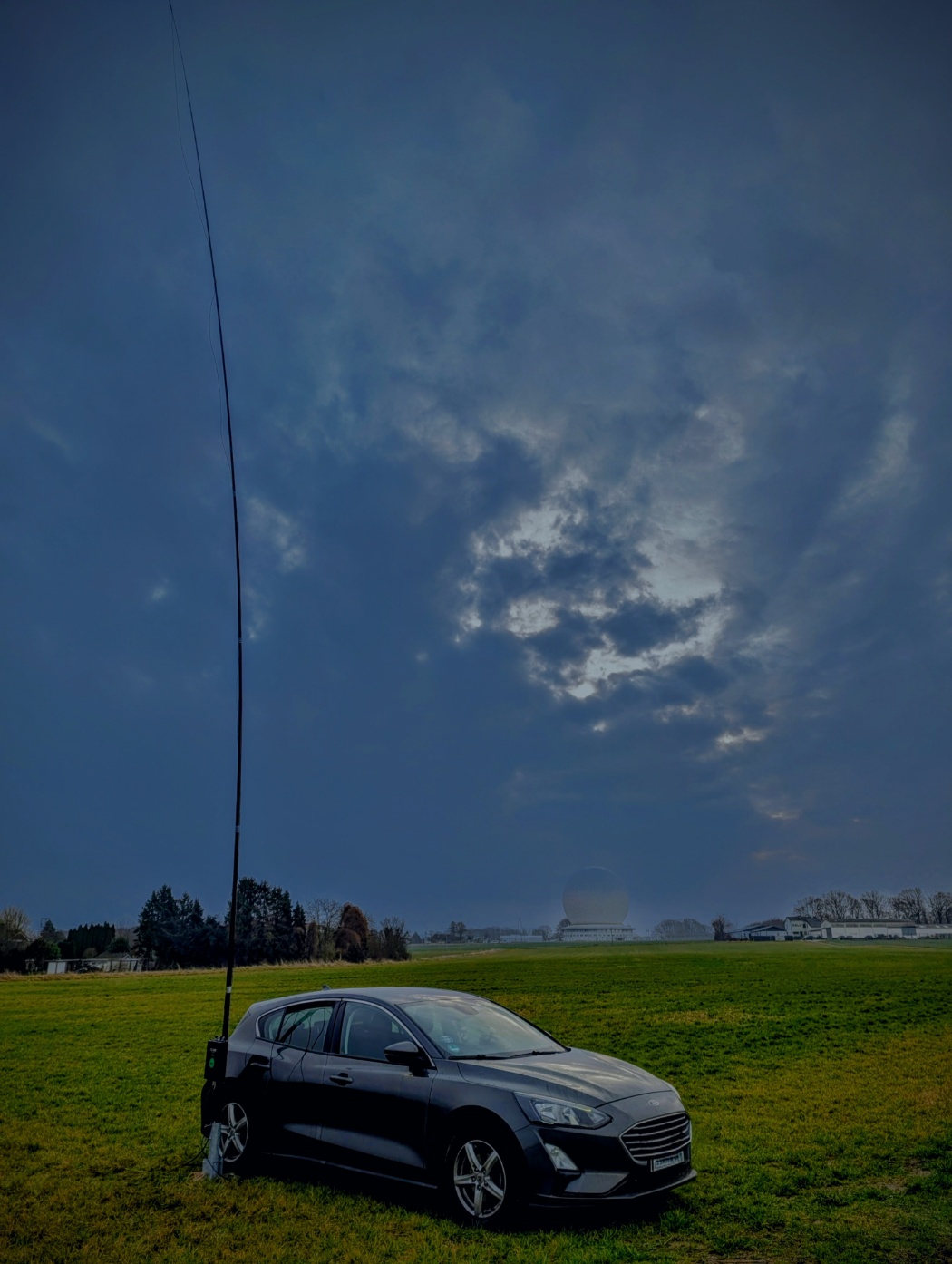
Close-up of the station setup for 40m.
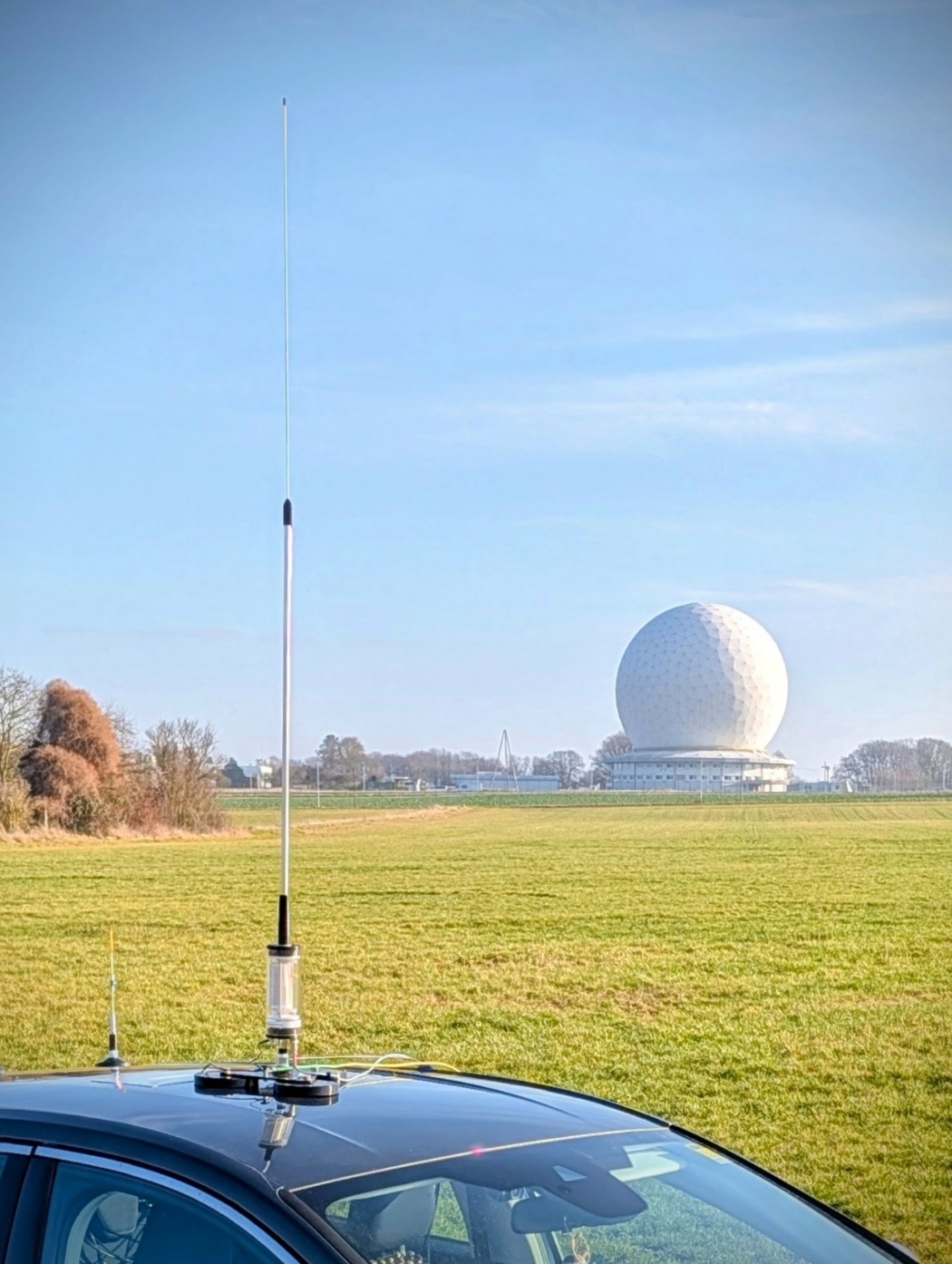
Close-up of the station setup for 20m and 15m.
Additional Remarks
Most WFD Bulletins were drowned out by significant QRM from the WWA contest. I only managed to get a successful copy on 80m using a WebSDR; obviously, that doesn’t count for the event, but I was just curious to hear the message.
I finally gave in and plugged in the mic… and ended up logging my first-ever portable SSB contacts. I have to admit—it didn’t hurt a bit! HI HI.
To comply with the rules, I was required to exchange at least one Winlink email via amateur RF. Admittedly, I wasn’t fully prepared for this segment. I attempted to connect via the RMS Trimode Gateway DA5UDI (JO30QJ) near Koblenz, but was unable to establish a link. I am currently troubleshooting the issue to identify the cause.
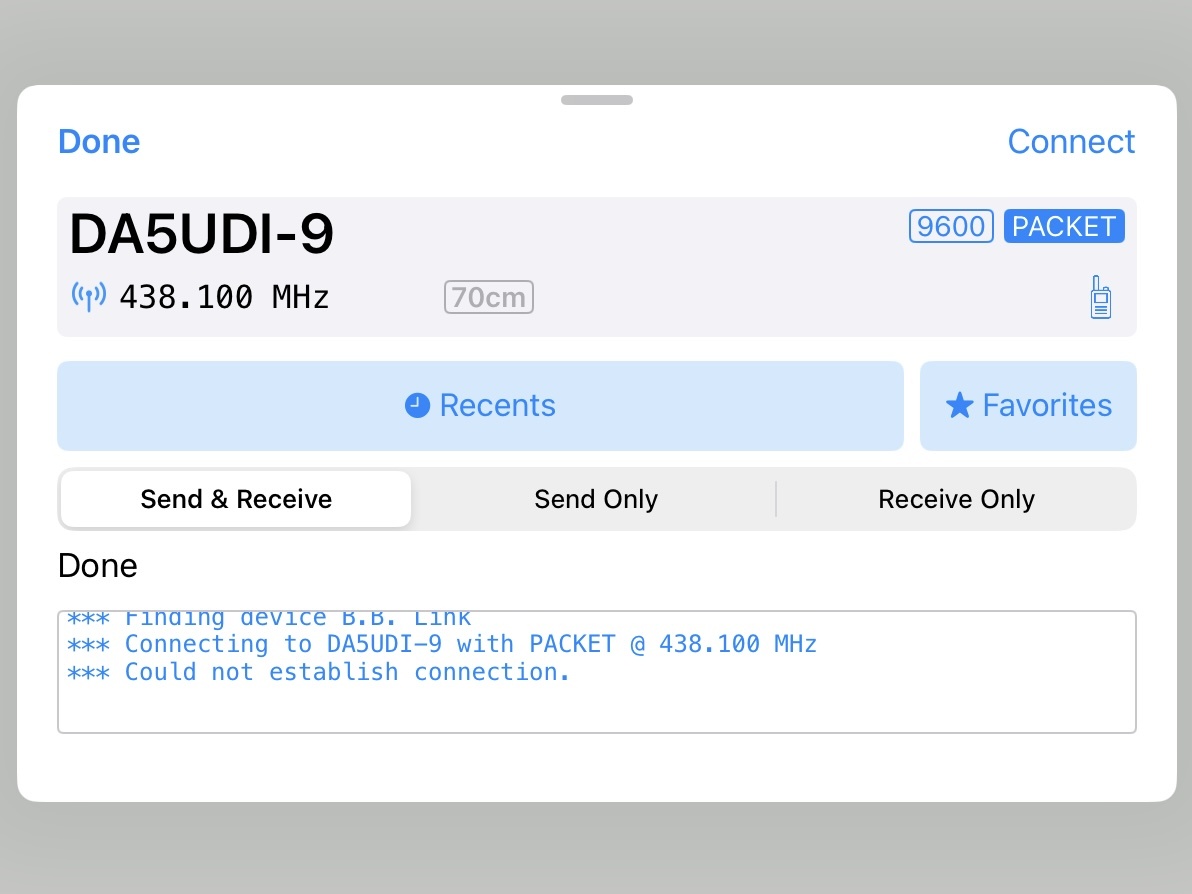
Above: My failed attempt to access the Winlink RMS Gateway.
Did you participate in WFD? Hope to work you down the log next year!
Links:
- Official Event Site: Winter Field Day Association
- Theoretical Propagation: DX Look propagation forecast